
Vertigo Exercise Chart
Vertigo Exercise Chart - Vertigo is the feeling that you’re moving when you’re not. Learn about the causes, symptoms, and treatment here. It comes from a problem in your inner ear or your brain. Vertigo is a condition in which you experience spinning sensations, often accompanied by nausea and the loss of balance. Peripheral vertigo involves problems with the. Many conditions that affect the inner ear or central nervous system can cause vertigo.
There are many causes of vertigo and dizziness, and they range from minor (like. Learn more about how you can treat vertigo at home. Many conditions that affect the inner ear or central nervous system can cause vertigo. Vertigo is the feeling that you’re moving when you’re not. It comes from a problem in your inner ear or your brain.

Dizziness Treatment (Vertigo) Epley Maneuver Fort Worth ENT
[1][2] less common causes include stroke,. It comes from a problem in your inner ear or your brain. Webmd explains the causes, symptoms, and treatment of vertigo, a sensation of spinning that is related to problems with the inner ear. Vertigo is the feeling that you’re moving when you’re not. Causes include issues with your inner ear (like bppv) or.

Can Digestive Issues Cause Vertigo at Arthur Snipes blog
Vertigo is the feeling of spinning, even when you’re not moving. The most common disorders that result in vertigo are benign paroxysmal positional vertigo (bppv), ménière's disease, and vestibular neuritis. Many conditions that affect the inner ear or central nervous system can cause vertigo. Learn more about how you can treat vertigo at home. Vertigo can cause symptoms of dizziness,.

What are the Symptoms of Vertigo
Causes include issues with your inner ear (like bppv) or your brain (like migraines or stroke). Many conditions that affect the inner ear or central nervous system can cause vertigo. Vertigo can be a debilitating condition, but there are many ways to manage and prevent symptoms. There are many causes of vertigo and dizziness, and they range from minor (like..
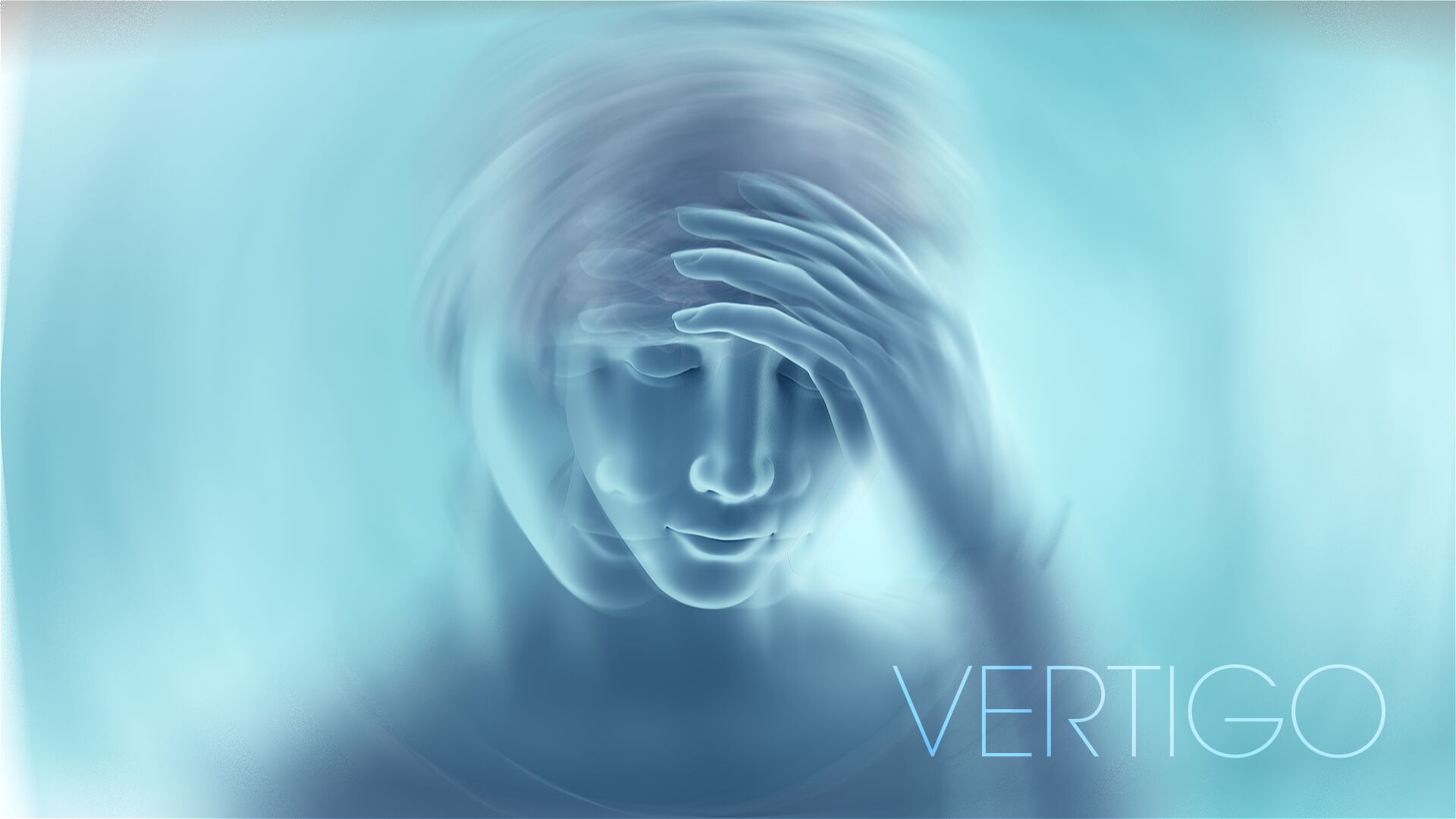
Vertigo
Many conditions that affect the inner ear or central nervous system can cause vertigo. Webmd explains the causes, symptoms, and treatment of vertigo, a sensation of spinning that is related to problems with the inner ear. Vertigo is a condition in which you experience spinning sensations, often accompanied by nausea and the loss of balance. Causes include issues with your.

Infografis Cara Mencegah Vertigo
Vertigo is the feeling that you’re moving when you’re not. There are many causes of vertigo and dizziness, and they range from minor (like. Learn about some common examples and their treatments. Learn about the causes, symptoms, and treatment here. The most common disorders that result in vertigo are benign paroxysmal positional vertigo (bppv), ménière's disease, and vestibular neuritis.
Vertigo Exercise Chart - Webmd explains the causes, symptoms, and treatment of vertigo, a sensation of spinning that is related to problems with the inner ear. Causes include issues with your inner ear (like bppv) or your brain (like migraines or stroke). Vertigo can be a debilitating condition, but there are many ways to manage and prevent symptoms. Learn about the causes, symptoms, and treatment here. Vertigo is a condition in which you experience spinning sensations, often accompanied by nausea and the loss of balance. The most common disorders that result in vertigo are benign paroxysmal positional vertigo (bppv), ménière's disease, and vestibular neuritis.
Vertigo is the feeling that you’re moving when you’re not. It comes from a problem in your inner ear or your brain. Vertigo can cause symptoms of dizziness, disorientation, a sense of the room spinning, and wooziness. Webmd explains the causes, symptoms, and treatment of vertigo, a sensation of spinning that is related to problems with the inner ear. Causes include issues with your inner ear (like bppv) or your brain (like migraines or stroke).
Many Conditions That Affect The Inner Ear Or Central Nervous System Can Cause Vertigo.
[1][2] less common causes include stroke,. Webmd explains the causes, symptoms, and treatment of vertigo, a sensation of spinning that is related to problems with the inner ear. Vertigo is a condition in which you experience spinning sensations, often accompanied by nausea and the loss of balance. Peripheral vertigo involves problems with the.
Learn About The Causes, Symptoms, And Treatment Here.
Vertigo can cause symptoms of dizziness, disorientation, a sense of the room spinning, and wooziness. It comes from a problem in your inner ear or your brain. Vertigo is the feeling of spinning, even when you’re not moving. The most common disorders that result in vertigo are benign paroxysmal positional vertigo (bppv), ménière's disease, and vestibular neuritis.
Causes Include Issues With Your Inner Ear (Like Bppv) Or Your Brain (Like Migraines Or Stroke).
There are many causes of vertigo and dizziness, and they range from minor (like. Learn about some common examples and their treatments. Learn more about how you can treat vertigo at home. Vertigo is the feeling that you’re moving when you’re not.