
Is Genotypes Ff Heterozygous Or Homozygous Chart
Is Genotypes Ff Heterozygous Or Homozygous Chart - The genotype determines the hereditary potentials and limitations of an individual from embryonic formation through adulthood. Get the definitions and examples of the two terms and see how they are related. Modern dna analyzing techniques have made it easier to identify which segments of dna are responsible for various phenotypes. Genotypes can be classified based on the similarity or difference of alleles present at a specific gene locus. How genotypes are determined an individual’s genotype is established at conception, as they inherit one set of chromosomes, and thus one allele for each gene, from. In a broad sense, the term genotype refers to the genetic makeup of an organism;
Modern dna analyzing techniques have made it easier to identify which segments of dna are responsible for various phenotypes. From embryonic development to adulthood, a person’s genotype defines their inherited potential and limitations. For example, the genotype for the gene that determines the color of the pea flower is represented. The genotype determines the hereditary potentials and limitations of an individual from embryonic formation through adulthood. Dna sequencing and other methods can be used to determine the genotypes at millions of locations in a genome in a single experiment.
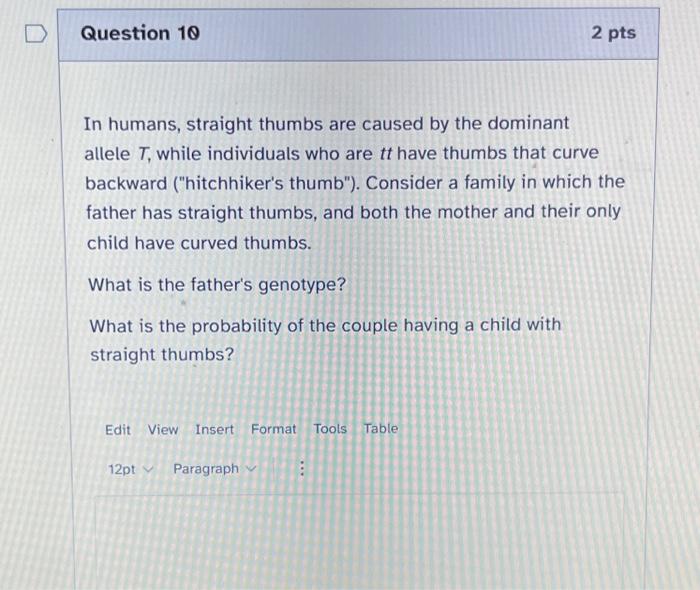
Solved The genotype Ff is an example of a heterozygous
In diploid species like humans, two full sets of chromosomes are present, meaning each individual has two alleles for any given gene. From embryonic development to adulthood, a person’s genotype defines their inherited potential and limitations. Learn the difference between genotype and phenotype. In a more narrow sense, the term. Modern dna analyzing techniques have made it easier to identify.

Homozygous and heterozygous. Homozygous has same allele for a
Among organisms that reproduce sexually, an. For example, the genotype for the gene that determines the color of the pea flower is represented. Dna sequencing and other methods can be used to determine the genotypes at millions of locations in a genome in a single experiment. In diploid species like humans, two full sets of chromosomes are present, meaning each.

SOLVED 3) The female dog is heterozygous. The male dog is homozygous
In other words, it describes an organism's complete set of genes. Dna sequencing and other methods can be used to determine the genotypes at millions of locations in a genome in a single experiment. This classification is crucial in genetics as it helps in understanding. In a more narrow sense, the term. Modern dna analyzing techniques have made it easier.

Understanding Genotypes and Phenotypes The Basics of Homozygous and
How genotypes are determined an individual’s genotype is established at conception, as they inherit one set of chromosomes, and thus one allele for each gene, from. Get the definitions and examples of the two terms and see how they are related. Among organisms that reproduce sexually, an. For example, the genotype for the gene that determines the color of the.

Homozygous And Heterozygous Examples
Dna sequencing and other methods can be used to determine the genotypes at millions of locations in a genome in a single experiment. Modern dna analyzing techniques have made it easier to identify which segments of dna are responsible for various phenotypes. A genotype has different alleles, or forms. In a broad sense, the term genotype refers to the genetic.
Is Genotypes Ff Heterozygous Or Homozygous Chart - Dna sequencing and other methods can be used to determine the genotypes at millions of locations in a genome in a single experiment. This classification is crucial in genetics as it helps in understanding. From embryonic development to adulthood, a person’s genotype defines their inherited potential and limitations. If both alleles are the same, the genotype is referred to as. In diploid species like humans, two full sets of chromosomes are present, meaning each individual has two alleles for any given gene. How genotypes are determined an individual’s genotype is established at conception, as they inherit one set of chromosomes, and thus one allele for each gene, from.
Get the definitions and examples of the two terms and see how they are related. In other words, it describes an organism's complete set of genes. In a broad sense, the term genotype refers to the genetic makeup of an organism; In simple genotypes, the alleles for only one or a few traits are specified. In a more narrow sense, the term.
For Example, The Genotype For The Gene That Determines The Color Of The Pea Flower Is Represented.
Modern dna analyzing techniques have made it easier to identify which segments of dna are responsible for various phenotypes. Learn the difference between genotype and phenotype. Get the definitions and examples of the two terms and see how they are related. How genotypes are determined an individual’s genotype is established at conception, as they inherit one set of chromosomes, and thus one allele for each gene, from.
A Genotype Has Different Alleles, Or Forms.
In other words, it describes an organism's complete set of genes. Dna sequencing and other methods can be used to determine the genotypes at millions of locations in a genome in a single experiment. Among organisms that reproduce sexually, an. If both alleles are the same, the genotype is referred to as.
In A More Narrow Sense, The Term.
In a broad sense, the term genotype refers to the genetic makeup of an organism; In diploid species like humans, two full sets of chromosomes are present, meaning each individual has two alleles for any given gene. Some genotypes contribute to an. From embryonic development to adulthood, a person’s genotype defines their inherited potential and limitations.
This Classification Is Crucial In Genetics As It Helps In Understanding.
Genotypes can be classified based on the similarity or difference of alleles present at a specific gene locus. In simple genotypes, the alleles for only one or a few traits are specified. The genotype determines the hereditary potentials and limitations of an individual from embryonic formation through adulthood.