
Chaotic Evil Chart
Chaotic Evil Chart - Advanced dungeons & dragons (1979) introduced a second axis, allowing characters and creatures to additionally be described as good, neutral, or evil. They set a high value on personal. Want to know all about the chaotic evil alignment? Think the joker, from dc comics, who rejects any authority and delights in using. While chaotic evil characters might be appealing for their destructive tendencies, various subcategories can define your roleplaying experience. A chaotic evil character tends to have no respect for rules, other people's lives, or anything but their own desires, which are typically selfish and cruel.
Advanced dungeons & dragons (1979) introduced a second axis, allowing characters and creatures to additionally be described as good, neutral, or evil. A chaotic evil character tends to have no respect for rules, other people's lives, or anything but their own desires, which are typically selfish and cruel. Want to know all about the chaotic evil alignment? Their morality and their tendencies towards order. This article explains the chaotic evil character alignment, how to play it, and lists character.

LOTM Alignment Chart Chaotic Evil r/LordofTheMysteries
Their morality and their tendencies towards order. This article explains the chaotic evil character alignment, how to play it, and lists character. A villain pursuing schemes of vengeance and havoc is probably. We’ll look at chaotic evil. These two axes have nine.

A chaotic evil character tends to have no respect for rules, other people's lives, or anything but their own desires, which are typically selfish and cruel. Each alignment is either lawful, neutral, or chaotic as well as being either good, neutral, or evil. Chaotic evil is the most dangerous alignment because it represents the destruction not only of beauty and.

Star Wars Alignment Chart with Pure Good and Pure Evil (explanations in
They set a high value on personal. A chaotic evil character tends to have no respect for rules, other people's lives, or anything but their own desires, which are typically selfish and cruel. Each alignment is either lawful, neutral, or chaotic as well as being either good, neutral, or evil. Think the joker, from dc comics, who rejects any authority.

Alignment in d&d broadly describes a character’s ethical attitudes and ideals based on two key factors: Think the joker, from dc comics, who rejects any authority and delights in using. This article explains the chaotic evil character alignment, how to play it, and lists character. This produces the following chart, which. While chaotic evil characters might be appealing for their.
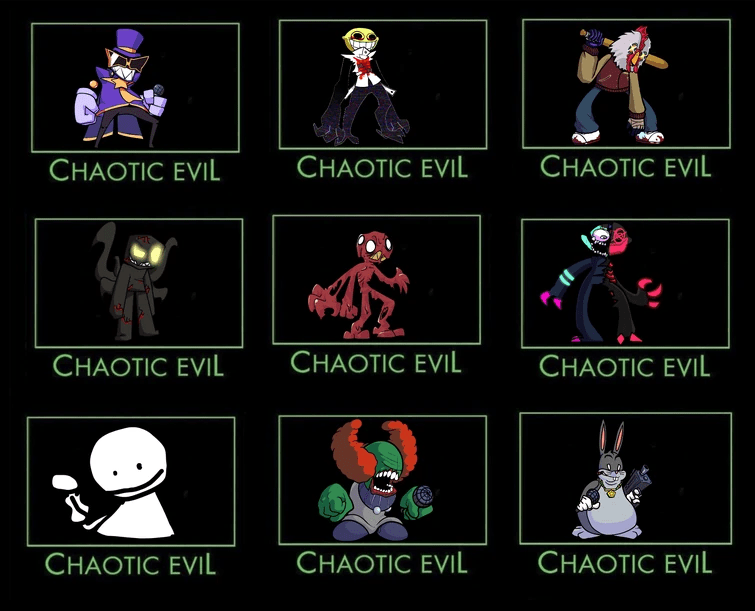
While chaotic evil characters might be appealing for their destructive tendencies, various subcategories can define your roleplaying experience. Want to know all about the chaotic evil alignment? A villain pursuing schemes of vengeance and havoc is probably. Their morality and their tendencies towards order. This produces the following chart, which.
Chaotic Evil Chart - Chaotic evil is the most dangerous alignment because it represents the destruction not only of beauty and life but also of the order on which beauty and life depend. A chaotic evil character is one who acts freely, even recklessly, on their mission to hurt others; Each alignment description below depicts a typical character of that alignment. We’ll look at chaotic evil. A chaotic evil character tends to have no respect for rules, other people's lives, or anything but their own desires, which are typically selfish and cruel. Alignment in d&d broadly describes a character’s ethical attitudes and ideals based on two key factors:
Want to know all about the chaotic evil alignment? While chaotic evil characters might be appealing for their destructive tendencies, various subcategories can define your roleplaying experience. Chaotic evil (ce) chaotic evil creatures act with arbitrary violence, spurred by their hatred or bloodlust. Each alignment is either lawful, neutral, or chaotic as well as being either good, neutral, or evil. Their morality and their tendencies towards order.
Each Alignment Description Below Depicts A Typical Character Of That Alignment.
Advanced dungeons & dragons (1979) introduced a second axis, allowing characters and creatures to additionally be described as good, neutral, or evil. Chaotic evil is the most dangerous alignment because it represents the destruction not only of beauty and life but also of the order on which beauty and life depend. You’re in the right place! A chaotic evil character tends to have no respect for rules, other people's lives, or anything but their own desires, which are typically selfish and cruel.
Their Morality And Their Tendencies Towards Order.
A villain pursuing schemes of vengeance and havoc is probably. We’ll look at chaotic evil. This article explains the chaotic evil character alignment, how to play it, and lists character. These two axes have nine.
They Set A High Value On Personal.
Alignment in d&d broadly describes a character’s ethical attitudes and ideals based on two key factors: Want to know all about the chaotic evil alignment? Chaotic evil (ce) chaotic evil creatures act with arbitrary violence, spurred by their hatred or bloodlust. A chaotic evil character is one who acts freely, even recklessly, on their mission to hurt others;
Think The Joker, From Dc Comics, Who Rejects Any Authority And Delights In Using.
This produces the following chart, which. While chaotic evil characters might be appealing for their destructive tendencies, various subcategories can define your roleplaying experience. Each alignment is either lawful, neutral, or chaotic as well as being either good, neutral, or evil.