
Antibiotic Sensitivity Chart
Antibiotic Sensitivity Chart - Antibiotics only treat certain bacterial infections, such as strep throat, urinary tract infections, and e. From their accidental discovery and. Antibiotics work by killing bacteria and preventing them from multiplying. Antibiotics specifically treat infections caused by bacteria, such as staph., strep., or e. These are just a few of the many available. There is no one type of antibiotic that cures every infection.
The first antibiotic was penicillin, discovered accidentally from a mold culture. Antibiotics work by killing bacteria and preventing them from multiplying. They do this by killing the bacteria or by keeping them from copying themselves or reproducing. Antibiotics only treat certain bacterial infections, such as strep throat, urinary tract infections, and e. From their accidental discovery and.
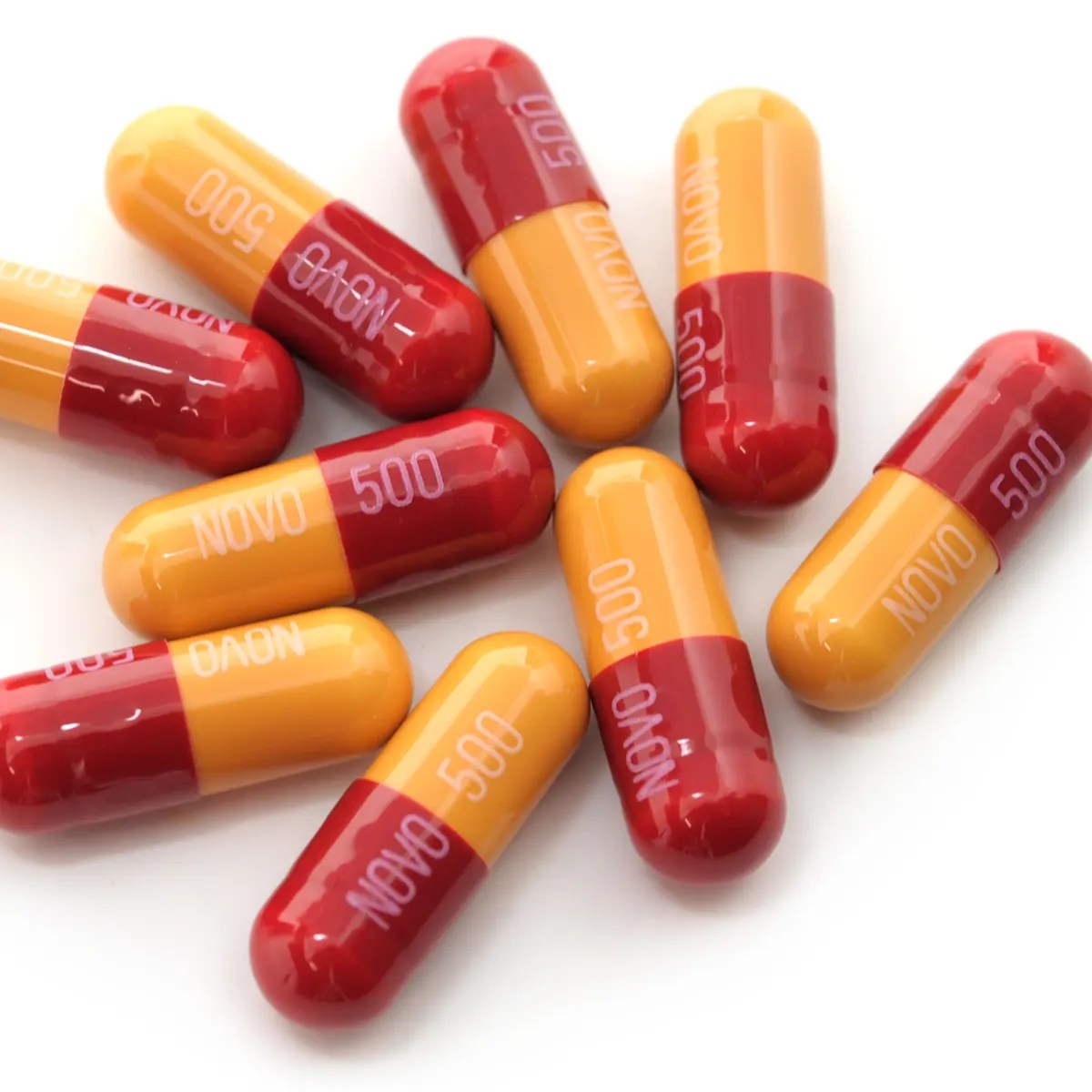
What are the 10 most common antibiotics Health Service Navigator
Antibiotics are medicines that help stop infections caused by bacteria. You may not need to take antibiotics for some bacterial infections. The first antibiotic was penicillin, discovered accidentally from a mold culture. Coli., and either kill the bacteria (bactericidal). Along with examples of the individual medicines your provider might prescribe.

classification of antibiotics pdf
In this article, we journey deep into the fascinating world of antibiotics: And why is the world suddenly worried about antibiotic resistance? The first antibiotic was penicillin, discovered accidentally from a mold culture. These are just a few of the many available. Coli., and either kill the bacteria (bactericidal).

Classifications Of Antibiotics Molecular Mechanisms Of Antimicrobial
You may not need to take antibiotics for some bacterial infections. There is no one type of antibiotic that cures every infection. Common antibiotics include penicillin and amoxicillin. Today, over 100 different antibiotics are available to cure. It is the most important type of antibacterial agent for fighting bacterial infections, and antibiotic medications are widely.

Emerging Treatments
It is the most important type of antibacterial agent for fighting bacterial infections, and antibiotic medications are widely. The chart below lists some of the antibiotic classes used in the u.s. An antibiotic is a type of antimicrobial substance active against bacteria. Here’s what you need to know about when you might get an antibiotic, why you might need a.

You may not need to take antibiotics for some bacterial infections. Doctors may also use azithromycin and. Today, over 100 different antibiotics are available to cure. And why is the world suddenly worried about antibiotic resistance? Antibiotic, chemical substance produced by a living organism, generally a microorganism, that is detrimental to other microorganisms.
Antibiotic Sensitivity Chart - Antibiotics only treat certain bacterial infections, such as strep throat, urinary tract infections, and e. It is the most important type of antibacterial agent for fighting bacterial infections, and antibiotic medications are widely. Today, over 100 different antibiotics are available to cure. You may not need to take antibiotics for some bacterial infections. The first antibiotic was penicillin, discovered accidentally from a mold culture. Antibiotics work by killing bacteria and preventing them from multiplying.
There is no one type of antibiotic that cures every infection. They do this by killing the bacteria or by keeping them from copying themselves or reproducing. Doctors may also use azithromycin and. These are just a few of the many available. Today, over 100 different antibiotics are available to cure.
These Are Just A Few Of The Many Available.
Along with examples of the individual medicines your provider might prescribe. An antibiotic is a type of antimicrobial substance active against bacteria. The first antibiotic was penicillin, discovered accidentally from a mold culture. It is the most important type of antibacterial agent for fighting bacterial infections, and antibiotic medications are widely.
They Do This By Killing The Bacteria Or By Keeping Them From Copying Themselves Or Reproducing.
From their accidental discovery and. Antibiotics specifically treat infections caused by bacteria, such as staph., strep., or e. Doctors may also use azithromycin and. The chart below lists some of the antibiotic classes used in the u.s.
You May Not Need To Take Antibiotics For Some Bacterial Infections.
Antibiotic, chemical substance produced by a living organism, generally a microorganism, that is detrimental to other microorganisms. Antibiotics cure disease by killing or injuring bacteria. Today, over 100 different antibiotics are available to cure. Here’s what you need to know about when you might get an antibiotic, why you might need a different one and why, in many cases, antibiotics are not the answer.
Antibiotics Work By Killing Bacteria And Preventing Them From Multiplying.
There is no one type of antibiotic that cures every infection. Coli., and either kill the bacteria (bactericidal). Common antibiotics include penicillin and amoxicillin. And why is the world suddenly worried about antibiotic resistance?